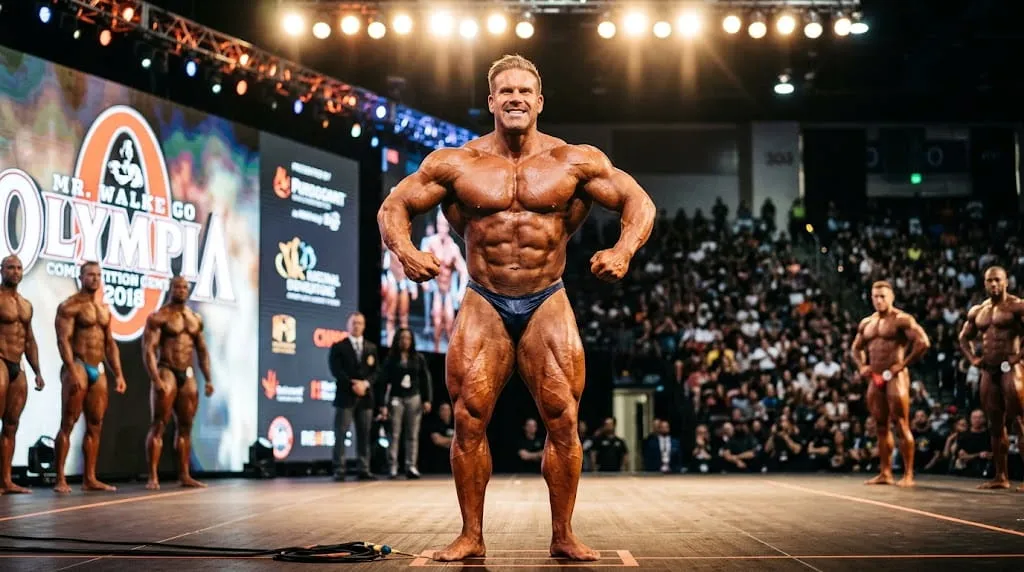
Jay Cutler’s net worth is estimated at $30 million, according to Celebrity Net Worth. The four-time Mr. Olympia champion turned 53 in August 2026, stands 5 feet 9 inches tall, and built most of his fortune through more than two decades of competitive bodybuilding followed by a supplement and apparel business he launched after leaving the stage. Born in Sterling, Massachusetts, Cutler is remembered as one of the few men to reclaim the Olympia title after losing it, and as one of the sport’s savviest businessmen off stage.
Quick Facts
| Detail | Info |
| Full Name | Jason Isaac Cutler |
| Date of Birth | August 3, 1973 |
| Age | 53 |
| Birthplace | Sterling, Massachusetts |
| Height | 5 ft 9 in (175 cm) |
| Competition Weight | 265 to 275 lbs |
| Off-Season Weight | Up to 290 to 300 lbs |
| Profession | Retired IFBB pro bodybuilder, businessman |
| Mr. Olympia Titles | 4 (2006, 2007, 2009, 2010) |
| Partner | Angie Feliciano |
| Net Worth | $30 million |
Early Life and Biography
Jason Isaac Cutler grew up in Sterling, Massachusetts, in a working family that valued hard physical labor. He started lifting weights at 18 and quickly took to the sport, entering local shows around Worcester while he was still a student. Cutler studied criminal justice at Quinsigamond Community College and worked construction and security jobs in his early twenties, training around his work schedule rather than as a full-time athlete.
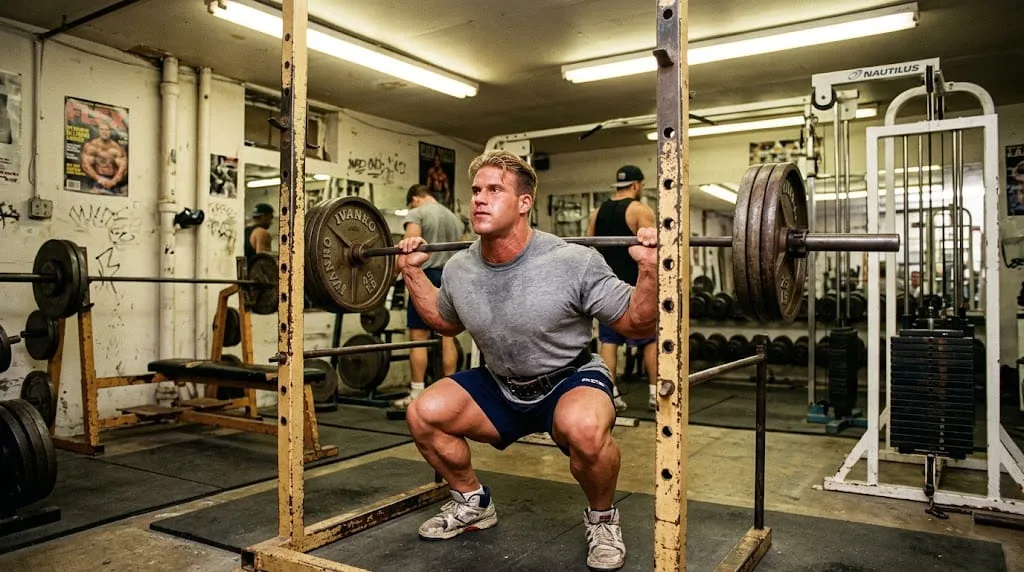
That changed once his results improved. Cutler earned his IFBB pro card at the North American Championships in 1996, a result that let him compete against the sport’s top names on the professional circuit. He spent the rest of the 1990s building size and conditioning, learning what it would take to compete at the Olympia level rather than just regional shows.
Unlike some competitors who came up through gyms in Los Angeles or Florida, Cutler trained through New England winters with limited access to top-tier coaching or sponsorship money. He has said in later interviews that this early period, working a day job while training around it, shaped the blue-collar approach to the sport that fans later associated with him. By the time he turned pro, Cutler already carried the frame and work ethic that would define his physique for the next fifteen years.
Career Timeline
Cutler made his Mr. Olympia debut in 1999 and placed 14th, a modest start for a competitor who would go on to define the era. He climbed to 8th the following year and kept adding size and detail to his physique through the early 2000s, a stretch when Ronnie Coleman dominated the contest.
For several years, Cutler was the closest challenger to Coleman, finishing runner-up multiple times as the two built one of bodybuilding’s most talked-about rivalries. In 2006, Cutler finally beat Coleman for the title, ending Coleman’s eight-year reign at the top of the sport. He defended the win in 2007.
In 2008, Cutler lost the title to Dexter Jackson, a result many fans saw as an upset. He answered in 2009 by reclaiming Mr. Olympia, becoming one of only a handful of men in the contest’s history to win the title again after losing it. He defended the crown once more in 2010 for his fourth and final Olympia win.
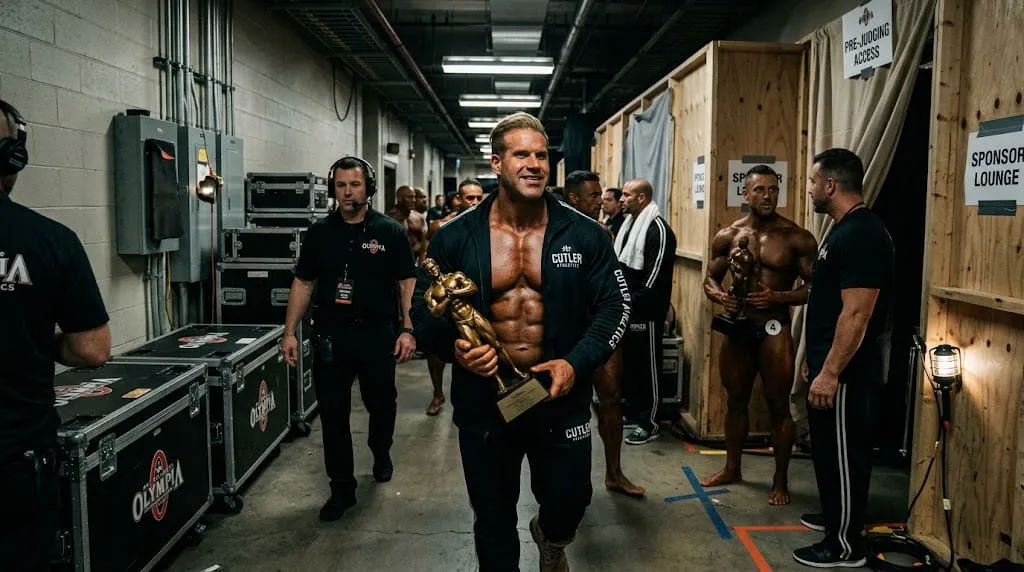
Alongside his Olympia run, Cutler also won the Arnold Classic three times, a contest second in prestige only to the Olympia itself and one that added its own prize money and appearance income during his prime years. Combined with his stretch of Olympia runner-up finishes against Coleman, those wins made him one of the most consistently placed competitors of his generation, rarely finishing outside the top two at a major show for the better part of a decade.
A biceps injury kept Cutler out of the 2012 Olympia entirely. He returned in 2013, placed 6th, and stepped away from competition afterward, closing out a run that spanned 14 years on the Olympia stage.
Net Worth Breakdown
Jay Cutler’s net worth of $30 million comes from a mix of contest winnings, endorsement income, and the businesses he has run since retiring. His prize money from competing was real but modest next to what he has earned since. According to a career-earnings analysis by The Barbell, Cutler collected roughly $1.25 million in prize money from Olympia appearances alone, which made up about 64 percent of his total contest earnings across his career, putting his lifetime competition winnings at around $3 million.
That gap between contest income and total net worth points to where most of his money actually comes from now. Sponsorship deals, supplement royalties, and business ownership have contributed far more to his fortune than any single Olympia paycheck did. Cutler has said in interviews that he viewed bodybuilding titles as a platform for building a brand, not as the main source of income once his competitive days ended.
The $30 million figure has stayed fairly consistent across financial trackers for several years, which suggests his income streams have leveled off rather than spiked or collapsed since he stopped competing. That stability is unusual in a sport where many former champions see their income drop sharply once sponsors move on to the current Olympia winner. Cutler’s ownership stake in his own supplement and apparel companies, rather than reliance on outside sponsorship alone, is generally cited as the reason his finances have held up better than most of his peers from the same era.
Income Sources
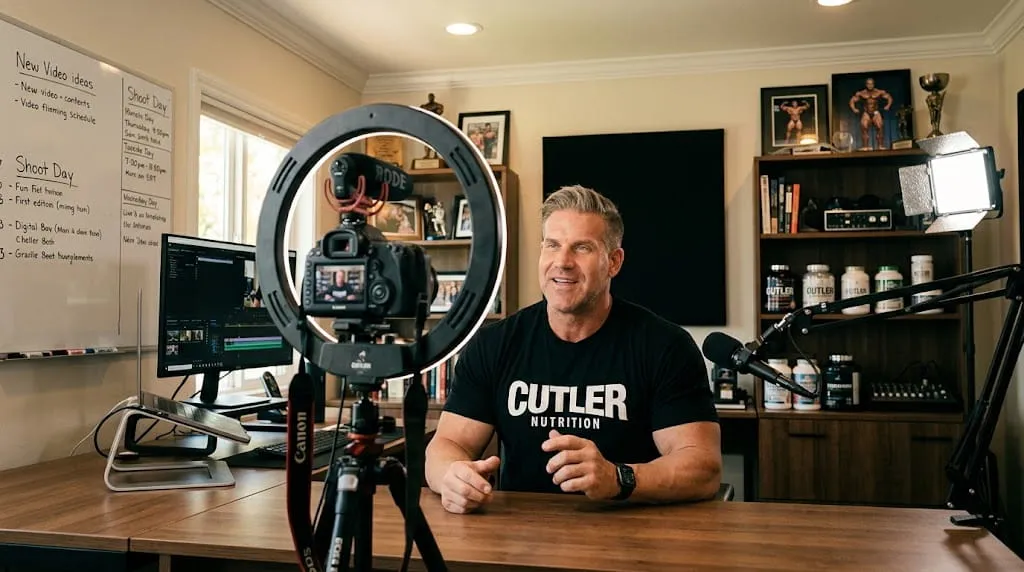
Cutler’s largest business is Cutler Nutrition, the supplement line he launched to sell protein powders, pre-workout formulas, and other products under his own name. He paired it with Cutler Athletics, an apparel brand, giving him two consumer-facing companies that lean on his name recognition in the fitness world.
Media work adds another layer of income. Cutler runs a YouTube channel, JayCutlerTV, with roughly 569,000 subscribers, where he posts training and diet content. He has close to 4.5 million followers on Instagram, a following that draws paid partnerships from supplement and equipment brands. He also wrote a 2004 memoir, CEO Muscle, framing himself as a businessman as much as an athlete.
Cutler also earns from paid appearances and guest posing slots at bodybuilding expos, a common income source for retired champions who still draw a crowd. He has continued to appear on magazine covers, including Muscular Development and Flex, which keeps his name in front of the audience most likely to buy his supplement line. Some coaching and online mentorship work rounds out his income, though it makes up a smaller share than his product businesses.
Real estate makes up a smaller piece of his holdings. Cutler bought a home in Nevada in 2007 for $1.57 million, a purchase made near the height of his competitive earning years. [internal link opportunity: guide to the best bodybuilding supplement brands
Like other fitness-focused media personalities such as Joe Rogan, Cutler has also turned his personal brand into income through content and business ventures.
Family
Cutler met his first wife, Kerry, while the two were students at Wachusett Regional High School, and they dated for roughly a decade before marrying in 1998. The marriage ended in divorce in 2009. The couple did not have children together, and Kerry has since worked as a family nurse practitioner in Las Vegas.
Cutler has since built a long relationship with Angie Feliciano, a fitness model and NPC physique competitor from New Jersey. The two have been together since around 2016 and have appeared together at Olympia events and in his social media content in the years since. Cutler keeps most details of the relationship private, rarely discussing it in interviews beyond posts marking anniversaries and shared training sessions. [internal link opportunity: related article on Ronnie Coleman net worth
Physical Stats
Cutler stands 5 feet 9 inches tall, shorter than several of his Olympia rivals, which forced him to build unusually thick, dense muscle to compete visually with taller men on stage. His competition weight ran between 265 and 275 lbs, while his off-season weight climbed as high as 290 to 300 lbs during his bulking phases.
His training was known for high volume, often six days a week with heavy focus on legs, and a diet built around large, frequent meals rather than the leaner approach some competitors favored. During his heaviest bulking phases, Cutler reportedly ate several thousand calories a day spread across many small meals, leaning on steak, rice, and other calorie-dense staples to support the muscle mass his stage physique required.
That combination of size and conditioning is part of why his Olympia wins, and the Jay Cutler net worth they eventually helped build, are still referenced by fans comparing eras of the sport. Even years after his final competition, his measurements and training approach remain a reference point for newer competitors chasing a similar look.